
Sarasota project planning turns drainage, shade, rainfall response, access, and owner priorities into a project plan.
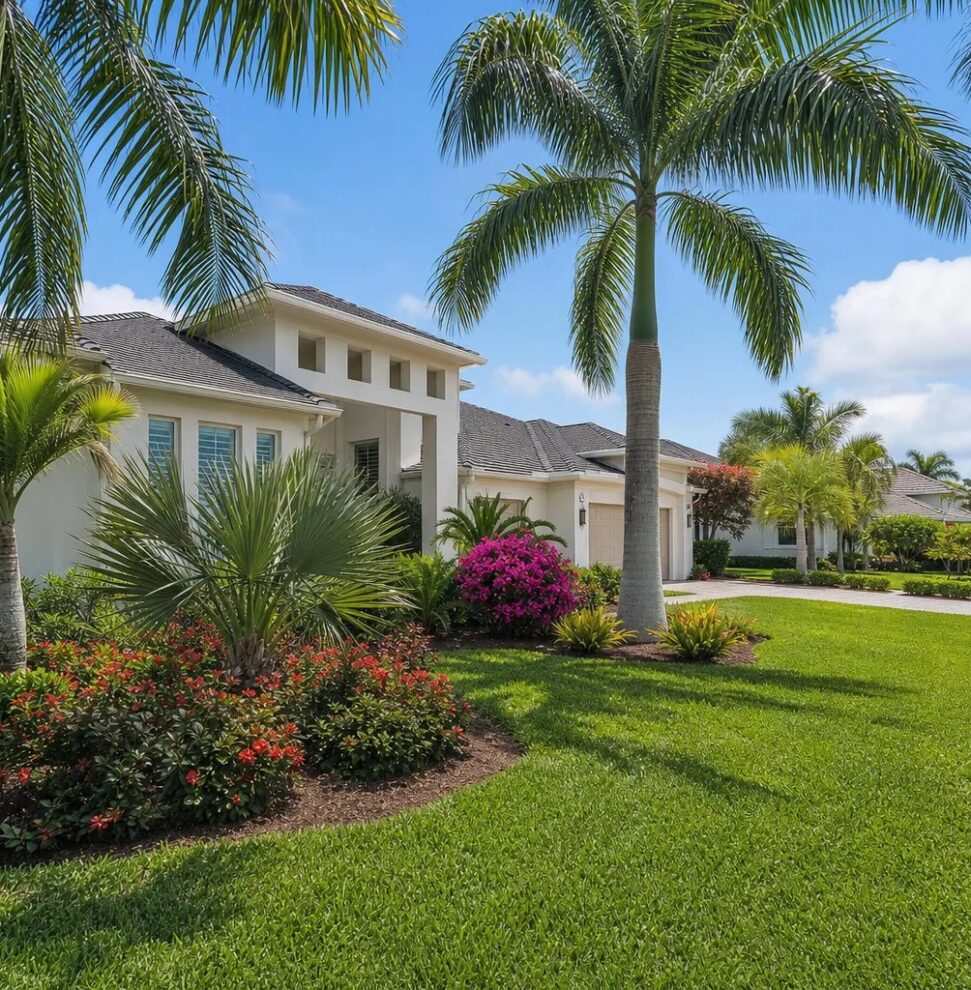
Dry-Season and Rainy-Season Workboard
Separate establishment, drainage, storm-readiness, and maintenance tasks by seasonal conditions.
Read the guide →
Rain Shutoff and Zone Behavior Review
Inspect shutoff response, coverage, overspray, and wet-season operation before adjusting schedules.
Read the checklist →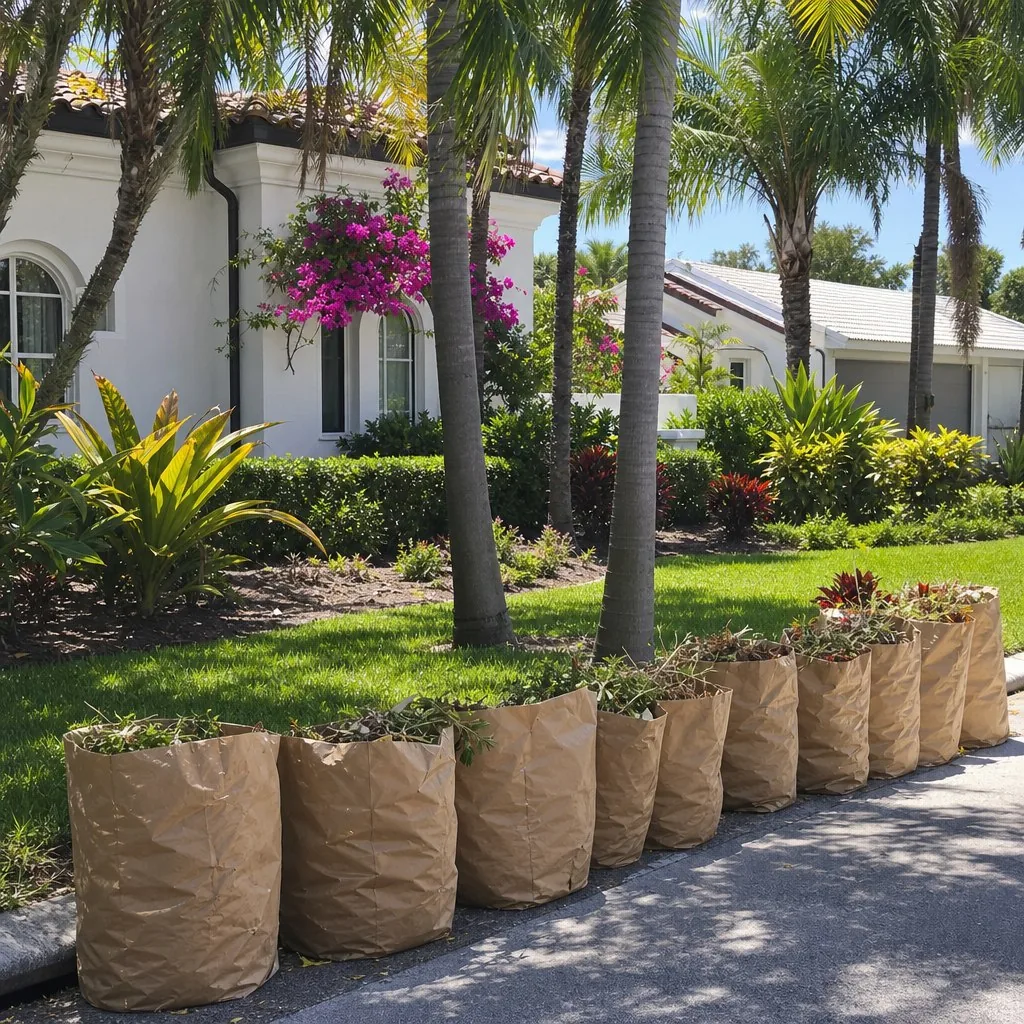
Drainage and Access Before Cosmetic Work
Resolve water movement, access, shade, and salt-exposure questions before selecting finishes.
Read the guide →The Gulf Coast Lawn and Landscape Notebook is a Gulf Coast decision guide for Sarasota property owners. It ties the next step to verified local water, soil, season and plant context while leaving uninspected conditions explicitly unresolved.
Planning considerations for Editorial Index
For a Sarasota property, local questions this library answers — gulf coast blog check means starting with observed conditions rather than a packaged answer. In this market, Modified Phase III restrictions run through October 1, 2026: one assigned day by address digit and, for properties under one acre, one of the 12:01–4 a.m. or 8–11:59 p.m. windows. The written plan should state which observation led to each proposed action and which condition remains unknown.
Planning considerations for Editorial Index
The useful question in Sarasota is not whether an upgrade sounds attractive, but what evidence supports it. In this market, native sandy soil that may be acidic while disturbed fill or irrigation can produce alkaline conditions; the local Plant Clinic offers a $5 pH test. That fact belongs beside the site measurements so a recommendation can be tested instead of assumed.
Read by the decision in front of you — Gulf Coast blog check
This decision changes when the actual exposure, access and irrigation layout are written down. In this market, new lawns and plants have a documented 60-day establishment allowance—any day for days 1–30 and three days a week for days 31–60—while the county fertilizer blackout runs June 1 through September 30. It narrows the options, but it does not replace a property-specific drainage, access and maintenance review.
Planning considerations for Editorial Index
Start the Sarasota record with the address digit, assigned watering day and the single 239-minute window selected for a property under one acre. If new sod or plants are involved, date day one of the 60-day establishment period and retain the written watering schedule. Photograph ponding, shade and fill changes, then take soil samples from the actual planting zones rather than blending native sand with imported material. Keep the June-through-September fertilizer blackout on the same page so establishment watering is not mistaken for permission to fertilize. For this blog page, circle the observation that would change the next decision and name who will verify it.
Preserve the assigned-day note, establishment dates, soil sample and drainage photographs as one Gulf Coast record before the temporary exception expires. For this blog decision, the current authority and photographed property condition control.
Move from the property walk to the written editorial index scope by itemizing timing choices. Note the observed condition, selected response, measurable completion check, and any responsibility left outside this project.
Planning considerations for Editorial Index
Move from the property walk to the written editorial index scope by itemizing planning detail. Note the observed condition, selected response, measurable completion check, and any responsibility left outside this project.
Use the next Gulf Coast planning note
From property walk to written acceptance
- Review Before CommitmentThe property review and estimate do not require the owner to proceed with the project.
- Walkthrough to Written ScopeObserved conditions, included work, and price are written down before a schedule is accepted.